By Dr Anita Rose, Consultant Neuropsychologist, Cognivate Rehabilitation
Interdisciplinary (IDT) neurorehabilitation brings together clinicians from different disciplines to support a person’s journey to recovery after Acquired Brain Injuries (ABI) or neurological illnesses. For case managers, lawyers, clients and their families understanding how different disciplines work together, rather than in parallel, can be challenging at times. However, research shows that delivering an IDT approach to those with an ABI is key to achieving sustainable, meaningful outcomes for clients and families1.
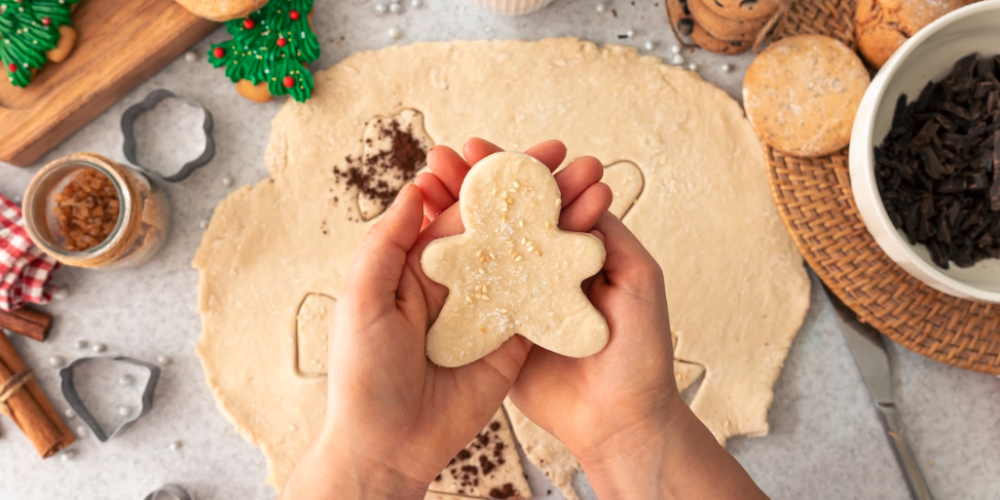
This article builds on Jo Bailey’s food-related analogies2 by introducing the metaphor of a chocolate chip cookie, to highlight the importance of interdisciplinary approach to neurorehabilitation. Each therapy, occupational, physical, speech-language, and neuropsychology is represented as different baking ingredients that together contribute to the end result. The client plays a pivotal role in neurorehabilitation; like salt in a chocolate chip cookie, their presence, is crucial in shaping the process and ensuring its effectiveness.
Flour as Structure: The Role of Occupational Therapy in Neurorehabilitation
The role of Flour in the cookie provides the structure that holds all the ingredients together. In the Interdisciplinary Team (IDT) the Occupational Therapist (OT) creates the framework, the structure of neurorehabilitation by addressing functional performance in activities of daily living, self-management, productivity, and participation. Like flour, which provides the structure of the cookie, OT interventions support cognitive, perceptual, motor, and environmental factors building a framework necessary to support every other aspect of neurorehabilitation. Without this structural base, the rehabilitation process would crumble and lack the consistency needed for meaningful recovery.
Butter as Adaptability: The Role of Physiotherapy in Neurorehabilitation
Butter’s role is to provide the cookie with flexibility and to bind all the other ingredients together creating a smooth texture. In the same way, physiotherapy (PT) plays a vital role in neurorehabilitation by enhancing strength, movement, balance and posture, helping the client to participate in daily activities. Like butter which blends all the dry ingredients physiotherapy helps clients’ bodies adapt cope more effectively in daily life. Without this a client’s rehabilitation journey may become challenging, and fragmented and increasing rigidity.
Sugar as Connection: The Role of Speech-Language Therapy in Rehabilitation
In the same way as sugar enhances a cookie’s flavour and enjoyment, Speech-Language Therapy (SLT) provides a vital ingredient to neurorehabilitation, helping patients recover communication skills, language comprehension, social interaction, and safe swallowing function. These skills are important not just for independence, but also for emotional well-being and connecting with others.
Chocolate Chips as Complexity: How Neuropsychology Enriches Recovery
Chocolate chips make a cookie complex and full of flavour. The role of neuropsychology in neurorehabilitation provides a similar role by adding complexity and depth by assessing and addressing changes in the cognitive, behavioural and emotional changes. Furthermore, together with the IDT and the client, supports setting client-centred goals that consider the complexity of cognitive and psychological changes, creating a comprehensive rehabilitation plan for recovery.
Salt as the Modulator: How the Patient Shapes the Rehabilitation Process
Salt is the smallest ingredient in the cookie yet has the greatest influence on its flavour, balance and the integration of all the other ingredients. In the same way the client is (and should be) the core influence in neurorehabilitation. It is their unique flavour in their lived in experience, cultural context, motivation and goals that are the primary factors in neurorehabilitation. Regardless of the expertise of the baker, if salt is left out the cookie will not be enjoyable and will just be bland, tasteless and a treat whose pleasure it short lived. If a client is engaged the centre neurorehabilitation it will influence the IDT effectiveness resulting in the greatest potential of the recovery.
Mixing It All Together: Interdisciplinary Integration in Neurorehabilitation
To make the cookie all the ingredients must come together into a dough in which no ingredient is dominant. Effective neurorehabilitation is the same, it relies on all the members of the IDT being robust and unified. There has to be open communication, shared goal setting, and joint intervention planning to ensure a collaborative approach is applied. Throughout the rehabilitation the ‘salt’, the clients’ own priorities need to be equally distributed (no one likes biting into a “salt pocket” in a cookie) as this ensures focus on them rather than the clinicians involved.
The Oven: Time, Adaptation, and Environmental Conditions in Recovery
A baker knows that a cookie needs the right temperature, time and right place in oven to produce the cookie. In neurorehabilitation this is represented by the optimal setting to be set by the IDT. This includes recognising all clients will require different lengths of time for biological and neuroplastic changes together with therapeutic intensity and an emotional and supportive environment. Furthermore, it is vital that a client is empowered to have an active participation in the process as this integration will determine the final outcome.
Conclusion: A Holistic Approach to Rehabilitation Outcomes
The chocolate chip cookie metaphor shows that successful neurorehabilitation is not just about each professional doing their best work alone but in an integrated way. Providing and delivering an IDT approach in neurorehabilitation early in the recovery process produces substantial and sustained gains that are meaningful to the client’s life. At Cognivate our ethos and passion are to provide gold standard in neurorehabilitation and endeavour to combine unique strengths of occupational therapy (flour), physiotherapy (butter), speech-language therapy (sugar), and neuropsychology (chocolate chips) around the central presence of the client (salt). We recognise that each ingredient (therapy) is essential, but it’s the salt (the client), that brings everything together and gives the process balance and unity. Overall, I hope this metaphor helps to highlight that interdisciplinary intervention, keeping the client at the heart of neurorehabilitation, ensures a collaborative and truly person cantered approach which is effective and life changing.
1Powell J, Heslin J, Greenwood R (2002) Community based rehabilitation after severe traumatic brain injury: A randomised controlled trial. Journal of Neurology, Neurosurgery and Psychiatry, 72, 193-202.